Home › Asphalt Driveway Installation
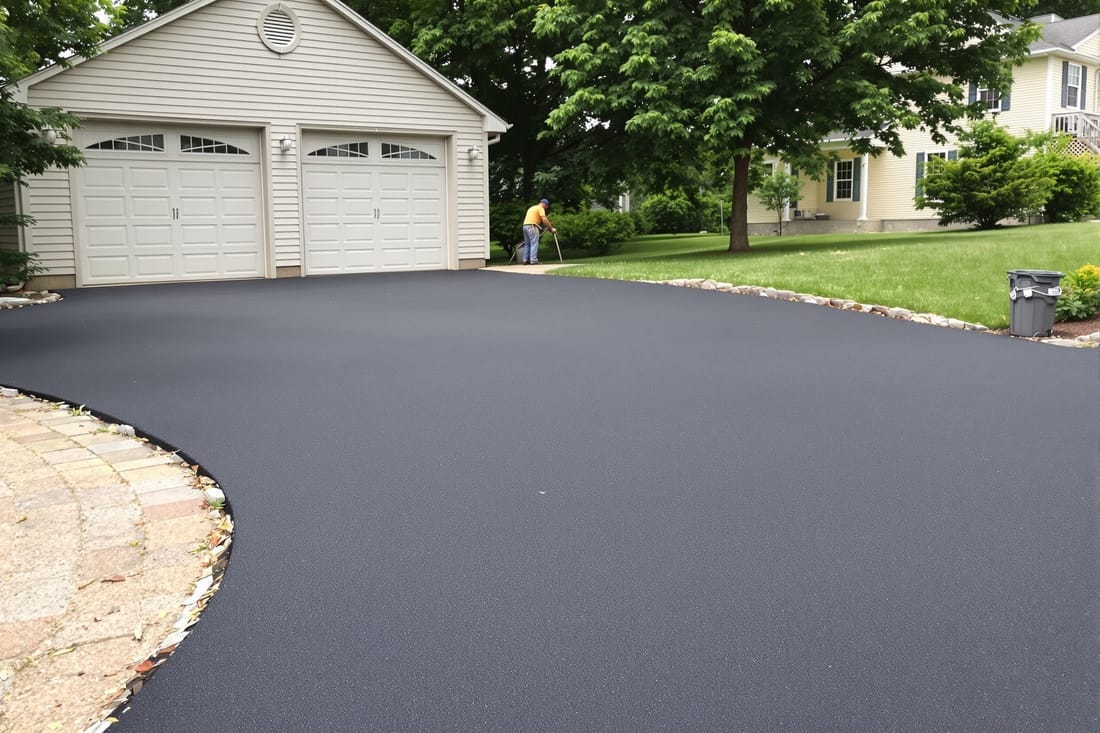
Get a smooth, durable asphalt driveway installation in Kansas City, MO that improves curb appeal and stands up to daily use. Our crew handles everything from tear out to final roll for a polished, long lasting surface. We grade for drainage and use quality asphalt mixes tailored to your home. Schedule a free on site driveway assessment today.
Precision Asphalt Kansas City provides professional asphalt driveway installation throughout Kansas City, MO, Missouri and the surrounding area. Our licensed, insured crew delivers safe, clean, on-time work with a free estimate before anything begins. Call (816) 326-1167 or request your free quote.
Asphalt Driveway Installation in Kansas City, MO
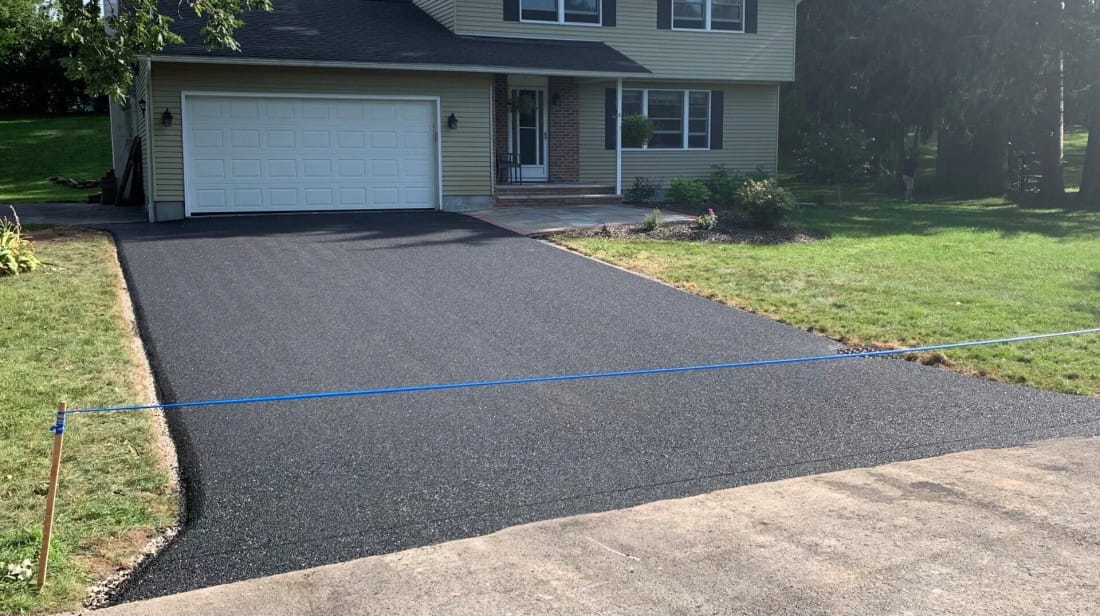
At Precision Asphalt Kansas City, we approach asphalt driveway installation as a long-term investment, not a quick project. A driveway has to handle Missouri freeze-thaw cycles, summer heat, and regular traffic without breaking apart, so the process we follow in Kansas City is very specific to our soil and weather.
We start with a site visit, not an estimate over the phone. We look at how water currently moves across your property, where vehicles actually drive and park, how close the driveway comes to your home foundation, and how existing concrete, sidewalks, or the street tie in. In many Kansas City neighborhoods, especially older ones, we also check for soft spots created by years of patching or prior gravel driveways. These hidden issues are a major reason driveways fail early.
Before we price anything, we measure the area, talk about how many vehicles you have, what kind of vehicles they are, and where you want turnarounds or parking pads. An F-250 or work van needs more support than a compact car. We also discuss your goals: a basic straight drive, added parking space for teens, a wider apron at the street, or a complete layout change. This planning step keeps surprises and change orders to a minimum once work starts.
How We Build a Solid Driveway Base
Most driveway problems start underneath the asphalt, not on top. Precision Asphalt Kansas City focuses heavily on base work because Kansas City clay soil expands and contracts with moisture, and that movement will crack weak driveways.
If you have an existing asphalt or concrete driveway, we mill or break it up and haul it off instead of simply paving over it. Paving over a damaged surface usually means the new driveway will mirror the old cracks within a couple of seasons. Once the old material is removed, we cut the subgrade to the proper depth using skid steers and graders, removing soft, organic, or unstable soil until we hit firm ground.
We then install a compacted aggregate base, usually 3 to 6 inches of rock depending on soil conditions and the weight of vehicles using the driveway. For heavy trucks or RVs, we may recommend even more base or a thicker edge detail where tires routinely sit. We use mechanical plate compactors and rollers in several passes, not just one. A simple visual test we use in the field is to drive a fully loaded truck over the base; if it does not rut or pump, it is ready for asphalt.
Good drainage is as important as compaction. We set the base with a slight crown or consistent slope so rainwater runs to the street or a yard drain and away from your garage or foundation. In parts of Kansas City where lots are tight or on a hill, we may recommend small drainage swales, catch basins, or tie-ins to existing drains so water never sits on the driveway or against your home.
Asphalt Materials, Thickness, and Design Options
Asphalt is not one-size-fits-all. For residential driveways in Kansas City, Precision Asphalt Kansas City typically uses a hot-mix asphalt designed for local temperature swings. The mix includes a specific blend of aggregate sizes and asphalt binder that performs well in our freeze-thaw conditions.
For the main driveway surface, we usually recommend a compacted asphalt thickness of 3 inches for standard passenger vehicles. If you regularly park work trucks, trailers, or RVs, we may suggest 4 inches or more, or selectively thickened sections in high-load areas like turnarounds. Skimping on thickness to save money often leads to depressions and cracking where tires sit.
We discuss finish options so the drive fits your property and how you use it. A traditional black asphalt surface is most common, but we can vary the aggregate size for a slightly different texture and grip, which can help on steeper drives or shaded areas that stay damp. We also look at layout details: flared entrances at the street to make backing out safer, widened sections near the garage doors, or side parking pads to keep extra vehicles off the street. In neighborhoods with HOA requirements, we can work within width, setback, and edging rules.
Edge support is another design choice that matters. On wider or higher-traffic driveways, we often recommend a stronger compacted shoulder or a concrete or stone border so the asphalt edges do not crumble when vehicles occasionally drive near the sides.
The Installation Day: What Actually Happens
On paving day, Precision Asphalt Kansas City coordinates material delivery from a local Kansas City plant so the hot mix arrives at the right temperature and on time. We do not let mix sit in a truck cooling off while we figure things out, because temperature directly affects how well the asphalt compacts and how long it will last.
We begin by fine grading the aggregate base and verifying slopes with levels. Any last-minute soft spots get corrected before asphalt touches the ground. We then apply a tack coat where new asphalt ties into existing asphalt or concrete at the street or garage. This light bonding layer helps prevent separation lines and future cracking at those joints.
We install the asphalt with a paver when access allows, because machine-laid asphalt is more consistent in thickness and smoothness than entirely hand-placed work. In tight backyards, alleys, or complex layouts, some hand placing is necessary, but we still follow strict depth checks. As soon as the material is down, our crew runs steel drum and pneumatic rollers in a set pattern, focusing extra passes along seams and at the edges where failures usually start.
Before leaving, we check for low spots by eye and with straightedges, make sure water flows correctly with hose tests if needed, cut clean edges along grass or landscaping, and compact transitions at sidewalks and the street. You will see a joint line where your new asphalt meets city streets or existing concrete, but it will be tight and sealed, not a raised lip.
Costs, Timing, and Kansas City Weather Factors
Asphalt driveway installation cost in Kansas City is driven by several factors: total square footage, how much base work is needed, whether the old drive has to be removed, access for equipment, and the thickness of asphalt you choose. Steep or tight sites, or locations that require extra drainage work, can also affect price.
We usually recommend scheduling full asphalt driveway installations in Kansas City from late March through early November, depending on the specific weather that year. Asphalt needs both proper ground temperature and enough dry time. Trying to rush a driveway in during cold or wet weather often leads to poor compaction or moisture problems that show up later as cracking or raveling. If we see a stretch of heavy rain or extreme heat coming, we may suggest adjusting the schedule so the driveway can be installed under better conditions.
For many homeowners, one question is whether to do the entire project at once or break it into sections. Precision Asphalt Kansas City generally advises completing the driveway in a single continuous pour when possible. Fewer construction joints mean fewer potential crack points and a more uniform look. If budget requires phasing, we design the phases carefully so the first portion does not get damaged when equipment returns for phase two.
We are straightforward about costs. On site, we explain where money is going: the amount of rock base you really need, when extra thickness makes sense, and when something is an option instead of a requirement. This transparency helps you choose between a budget build and an upgraded structure that will better handle vehicles and weather over the long term.
What to Expect After Installation and How to Make It Last
A new asphalt driveway needs a short curing period to reach full strength. Typically, we advise Kansas City homeowners to stay off the driveway with vehicles for 24 to 48 hours after installation, depending on temperature. In cooler weather, we may shorten that, and in very hot weather we may extend it slightly so the surface is not marred by turning tires.
During the first few months, we recommend avoiding sharp steering while the car is stationary, parking heavy vehicles in the exact same spot every day, or placing motorcycle kickstands and trailer jacks directly on the asphalt without a pad. Fresh asphalt is more flexible, and this simple care can prevent early surface impressions.
We also talk about sealing and maintenance specific to our area. In Kansas City, we typically suggest a first sealcoat about 12 to 18 months after installation so the surface has time to fully cure. Sealcoating too early can trap oils and cause issues. After that, a maintenance interval of every 3 to 4 years, depending on sun exposure and traffic, keeps the surface protected from UV and moisture. We encourage homeowners to call us as soon as they notice small cracks so we can seal them before winter water gets in and expands.
If snow removal is part of your routine, use rubber-tipped shovels or a properly adjusted plow so the blade does not dig into the surface. We can review plow blade height and techniques if you run your own truck. With these simple care steps, and with the solid base and proper slopes we build in from day one, a properly installed asphalt driveway from Precision Asphalt Kansas City can deliver many years of service with minimal headaches.