Home › Gravel-to-Asphalt Conversions
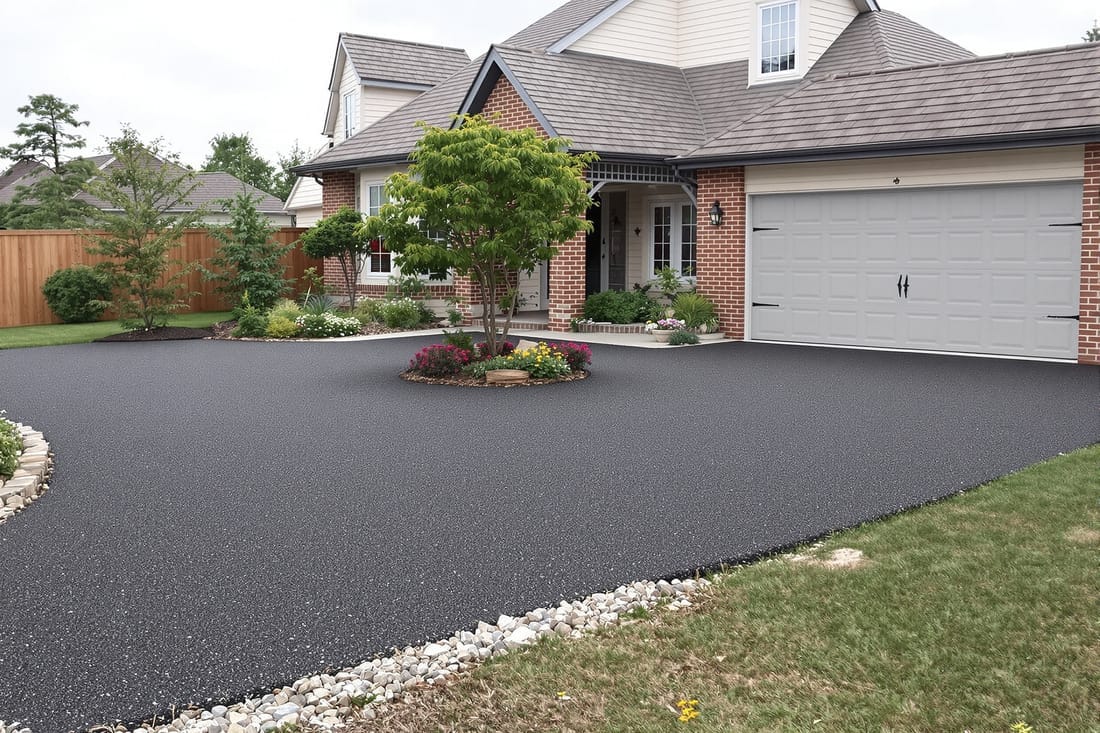
Upgrade from dust and ruts with a gravel to asphalt driveway conversion in Kansas City, MO. We regrade your drive, compact a stable base, and install smooth asphalt. Converting to blacktop reduces mud, improves snow removal, and boosts curb appeal. Request a free estimate to turn your gravel or dirt driveway into a clean asphalt surface.
Precision Asphalt Kansas City provides professional gravel to asphalt driveway throughout Kansas City, MO, Missouri and the surrounding area. Our licensed, insured crew delivers safe, clean, on-time work with a free estimate before anything begins. Call (816) 326-1167 or request your free quote.
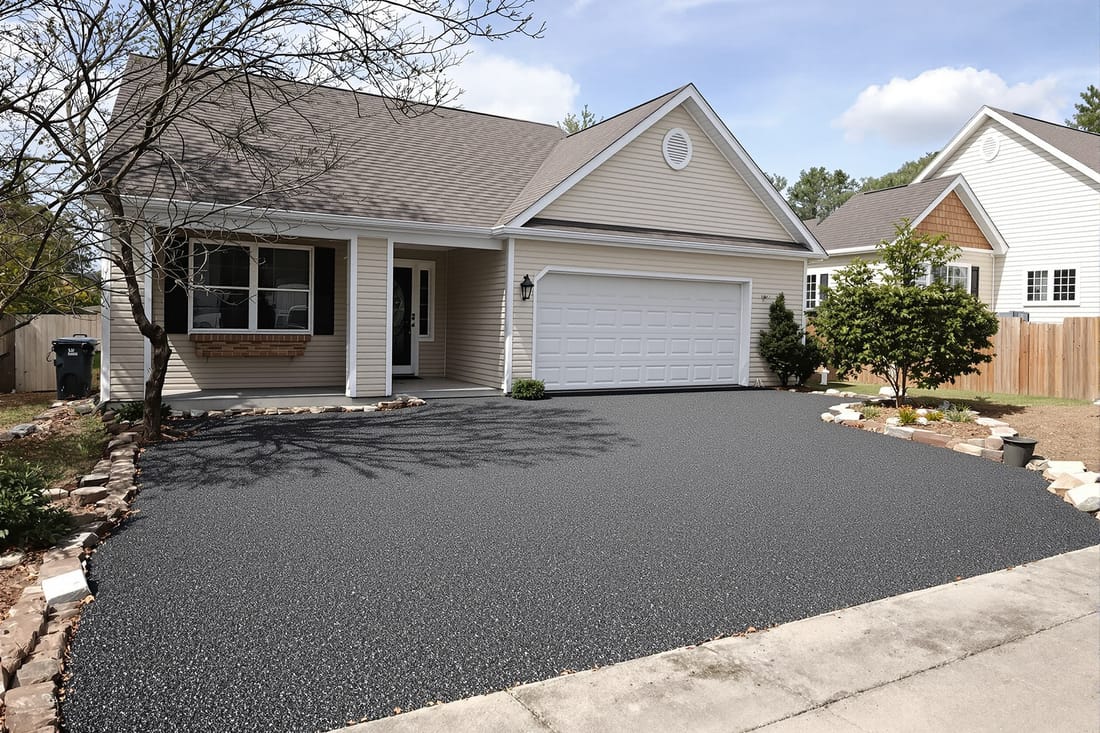
Turn Your Gravel Driveway Into a Smooth Asphalt Surface
If you are tired of ruts, mud, and loose rock, a gravel to asphalt driveway conversion can completely change how you use your property. Precision Asphalt Kansas City specializes in taking existing gravel driveways in Kansas City, MO and turning them into clean, low maintenance asphalt surfaces that hold up to Midwest weather.
We do not treat conversions like a simple overlay. A gravel to asphalt driveway needs a solid, compacted base designed for local clay soils and freeze-thaw cycles. Our team evaluates how water moves across your property, the condition and depth of your existing gravel, and how you actually use the driveway (light residential parking, RVs, delivery trucks, or heavy equipment). This lets us recommend the right base thickness and asphalt mix so you get a driveway that stays smooth instead of cracking and settling in a few seasons.
From initial visit to final roller pass, you will have a clear plan, a written scope of work, and a local crew that explains what is happening each day. Precision Asphalt Kansas City focuses on conversions throughout the Kansas City metro, so we understand local codes, county expectations, and what works long term in Missouri weather.
How We Convert a Gravel Driveway to Asphalt (Step by Step)
A successful gravel to asphalt driveway project always starts with the base. On our first visit, Precision Asphalt Kansas City checks the depth of your current gravel, digs test spots to see the native soil below, notes any soft or pumping areas, and looks for drainage issues or standing water. We also measure driveway width and turning areas so you do not end up with tight corners or crumbling edges.
Next, we shape and compact the existing gravel with a motor grader and heavy roller. In many Kansas City, MO neighborhoods the existing gravel is too thin or contaminated with dirt, so we often add new crushed stone, typically a 1 inch or 3/4 inch rock with fines, to build a stable base layer. This new stone is placed, graded for proper slope, and compacted in multiple passes with vibratory rollers to reach the density needed to support asphalt.
If we encounter soft clay, old topsoil, or organic material, we remove it and replace it with clean rock. In some rural or hillside properties we may install a geotextile fabric between the native soil and the new base rock to prevent the stone from sinking into the clay over time. Culverts, French drains, or shallow swales may be added or adjusted to keep water from running across or under the finished asphalt.
Once the base is stable, we apply a tack coat if we are tying new asphalt into existing pavement or the street. Then we place hot mix asphalt, usually in a single 2.5 to 3 inch compacted layer for standard residential driveways, or in two lifts if the driveway will see heavier traffic. Our crew uses a paver for larger runs and hand-places asphalt in tight spots near garages, fences, and retaining walls.
Finally, we compact the asphalt with steel drum and pneumatic rollers while it is still hot to achieve a smooth, dense surface. We cut clean edges, seal any exposed joints, and make sure transitions to garages, sidewalks, and the street are smooth so there are no high lips or tripping hazards.
Design, Thickness, and Material Options for Your New Asphalt Driveway
No two gravel to asphalt driveway projects are exactly the same. Precision Asphalt Kansas City helps you select options that fit the way you use your property and your long-term plans.
For most Kansas City, MO residential driveways carrying cars and pickup trucks, we typically recommend 4 to 6 inches of compacted rock base with a 2.5 to 3 inch compacted asphalt surface course. If you routinely park RVs, trailers, or work trucks, we may increase the base to 8 inches or more and use a heavier-duty asphalt mix with more stone content to resist rutting.
You can also choose how you want the driveway to look and drain. We can add gentle crown or cross-slope so water sheds to the sides instead of pooling in the middle. In areas that see frequent ice, slightly steeper slopes near the street can help meltwater move off the pavement faster. We can flare the entrance at the road to make it easier to turn in with trailers or wide vehicles, and we can widen sections near garages or outbuildings to create parking pads.
Edge treatments matter too. We can leave compacted gravel shoulders, install concrete or asphalt curbing to hold the edges, or grade the sides down into your yard for a softer, more natural look. If your HOA in Kansas City, MO has rules on driveway width, color, or apron style, we can match their typical details and help you prepare a simple sketch or description for HOA approval.
For customers concerned about appearance, we can plan for a decorative sealcoat after the asphalt has cured, which gives a uniform deep black finish and adds protection from the sun. While we do not recommend coloring the asphalt itself, we can integrate the driveway with walkways and landscaping so it looks intentional instead of like an add-on over old gravel.
What Affects the Cost of a Gravel to Asphalt Driveway Conversion
Pricing a gravel to asphalt driveway in the Kansas City area is not just about square footage. Precision Asphalt Kansas City walks you through the real cost drivers so you know where your budget is going and where you do, or do not, want to cut corners.
The biggest factor is base preparation. If your existing gravel is deep, clean, and well compacted, we can reuse most of it and only need to add rock in thin areas. This keeps costs lower. If the driveway has ruts, standing water, or has been contaminated with dirt over years of grading, we may need to remove sections, add several inches of new rock, and do more compaction work.
Driveway length and width matter, but so do shape and access. Long, straight drives are more efficient to pave than tight, winding ones with multiple small sections. If we can get trucks and pavers close to the work, the job is faster and cheaper than locations where every load must be transferred or backed down a narrow path. Steep hills, heavy tree cover, or limited turnaround space can require additional equipment or labor.
Thickness of the asphalt layer is another driver. A basic residential driveway might use a single 2.5 to 3 inch compacted lift, while heavy-use or commercial-style drives might require two lifts, which means more material and more machine time. Site-specific drainage improvements, such as new culverts or small retaining edges, also affect cost but can prevent expensive failures later.
We provide written estimates that spell out base depth, asphalt thickness, and any drainage work so you can compare quotes fairly. If another bid is significantly cheaper, ask what base they are providing and what asphalt thickness you are actually getting. Precision Asphalt Kansas City is always willing to explain our numbers so you can make a confident decision.
Permits, HOA Rules, and Local Considerations in Kansas City, MO
Before converting a gravel driveway to asphalt, it is important to understand local rules. Within Kansas City, MO city limits and some nearby municipalities, you may need a right-of-way or driveway approach permit if we are tying into a public street or changing the driveway location or width at the curb. In many unincorporated parts of Jackson County, Cass County, or Clay County, permits are less involved, but the county road department may still have standards for culverts and entrances.
Precision Asphalt Kansas City helps you determine what is required based on your address. We can often work from a simple site sketch or photos to advise whether you should contact the city, county, or your HOA before we schedule work. If a formal permit is needed, we can provide basic plan details such as driveway width, surface type, and connection to the roadway so you or your builder can submit them.
Homeowners associations in Kansas City, MO often have rules about driveway materials, width, and whether side parking pads are allowed. Gravel to asphalt driveway projects can sometimes trigger a quick review. We have experience working in HOA neighborhoods and can adjust layouts to meet typical restrictions, like keeping the driveway within a certain distance of the property line or maintaining specific setbacks.
We also pay attention to utilities and local services. If your existing gravel driveway crosses buried utilities, we call in utility locates before any excavation. For steep or long rural drives that need year-round access, we can recommend design tweaks that keep the driveway plow friendly and safe for delivery trucks in winter, which is especially important with Kansas City freeze-thaw cycles and ice events.
What to Expect During and After Your Gravel-to-Asphalt Conversion
Knowing what will happen on your property makes the process less stressful. Precision Asphalt Kansas City provides a simple schedule so you understand how long each phase will take and what access you will have during the work.
On the base preparation day or days, our crew will be grading, hauling rock if needed, and compacting. You can usually still walk through the work area, but vehicle access may be limited for several hours while we shape and roll the stone. Before paving, we confirm final elevations at the garage, street, and any adjoining concrete to avoid puddles and trip lips.
When paving day arrives, we ask that vehicles be moved off the driveway and that sprinklers or irrigation systems be turned off. Our trucks bring in hot mix asphalt from a local Kansas City plant, and the crew places and compacts it in a continuous operation. Depending on driveway size, this can take anywhere from a few hours to most of a day.
After the rollers finish, you can typically walk on the new asphalt that same day once it has cooled. We usually recommend keeping cars off the surface for 24 to 48 hours, and heavier vehicles for 3 to 5 days, depending on weather. In hot Missouri summers, fresh asphalt can be softer for a short period, so we advise against sharp turning of steering wheels while parked and placing kickstands or jacks directly on the surface.
We will review basic care with you, including when to consider a first sealcoat, how to spot early drainage issues, and how to avoid damage from snow plows or heavy equipment. Our goal is that your new gravel to asphalt driveway not only looks good on day one but also performs well for many years in Kansas City conditions.