Home › Industrial and Heavy-Duty Asphalt Paving
Handle heavy loads and constant traffic with industrial asphalt paving in Kansas City, MO. We design thick, reinforced pavements for truck yards, loading docks, and warehouses. Our team considers axle loads, turning patterns, and drainage to build long lasting surfaces. Request an engineered heavy duty asphalt paving proposal for your facility.
Precision Asphalt Kansas City provides professional industrial asphalt paving throughout Kansas City, MO, Missouri and the surrounding area. Our licensed, insured crew delivers safe, clean, on-time work with a free estimate before anything begins. Call (816) 326-1167 or request your free quote.
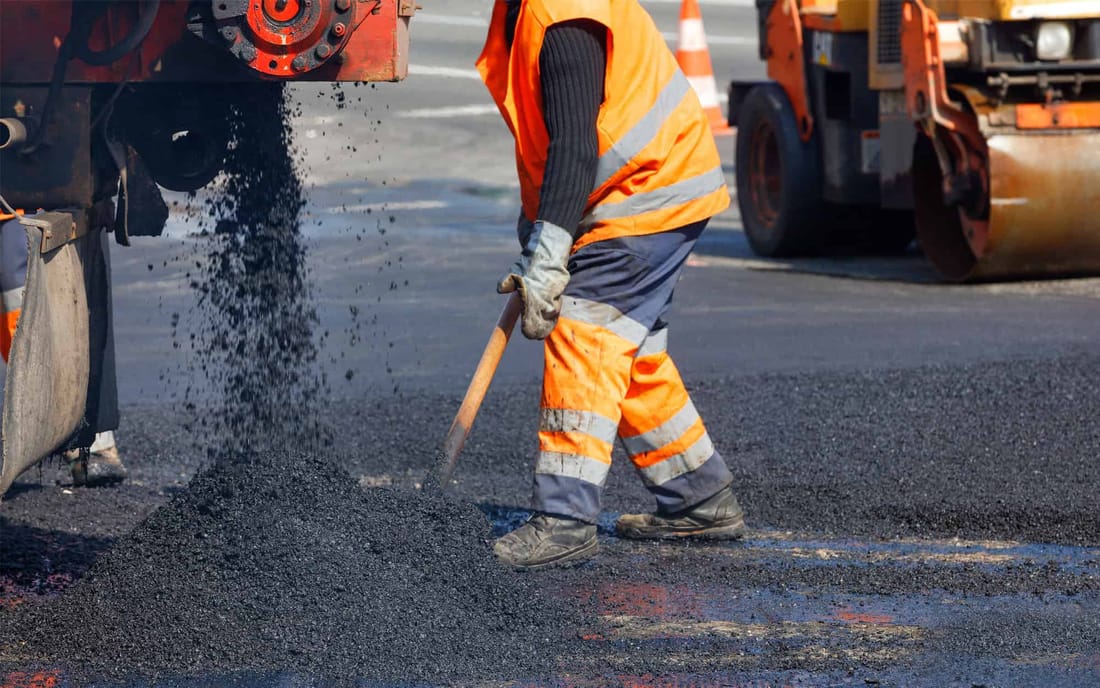
Industrial Asphalt Paving Built for Heavy Loads in Kansas City
Industrial and heavy-duty asphalt paving is different from a typical parking lot or driveway. At Precision Asphalt Kansas City, we build pavements that hold up to fully loaded semis, forklifts, loaders, and constant turning traffic. That means thicker sections, stronger base rock, tighter drainage controls, and careful planning around how your site actually operates.
When we look at an industrial site in Kansas City or across the Missouri side of the metro, we start by walking the property with you. We want to know where trucks queue, where they turn, where trailers are dropped, and where water tends to stand after a storm. This helps us design an asphalt section that is heavier in the true high stress areas, instead of wasting budget where you do not need that extra thickness.
Local conditions matter. Kansas City freeze-thaw cycles, heavy summer storms, and clay soils can ruin an underbuilt pavement fast. We know which parts of town tend to have soft subgrade and where old fill dirt hides under older facilities. That knowledge lets us decide when a full-depth reconstruction is needed and when we can stabilize the existing base and save you money while still giving you a pavement that will last.
How Industrial and Heavy-Duty Asphalt Paving Is Actually Built
A typical industrial asphalt project with Precision Asphalt Kansas City follows a clear, step-by-step process so you understand what is happening on your property.
1. Evaluation, coring, and design: We often recommend test cores or test pits on older industrial sites. This shows us how thick the existing asphalt and base are, and what type of soil is under everything. From there, we design a pavement section. For heavy truck lanes, we commonly use 6 to 8 inches of compacted rock base with 3 to 5 inches of industrial mix asphalt. For loading docks or dumpster pads, we may add reinforced concrete pads tied into the asphalt so the highest point loads are properly supported.
2. Subgrade correction and stabilization: If the native soil is soft or pumping, we may undercut and replace it with better material, or use lime or cement stabilization. In parts of Kansas City with poor drainage or high clay content, this step is critical. Skipping it usually leads to alligator cracking and rutting within a few years.
3. Base rock installation: We bring in a graded aggregate base, place it in lifts, and compact each lift with vibratory rollers to reach the specified density. We check slopes at this stage so water will run where it is supposed to. A solid, correctly sloped base is what prevents ponding water and long term settlement.
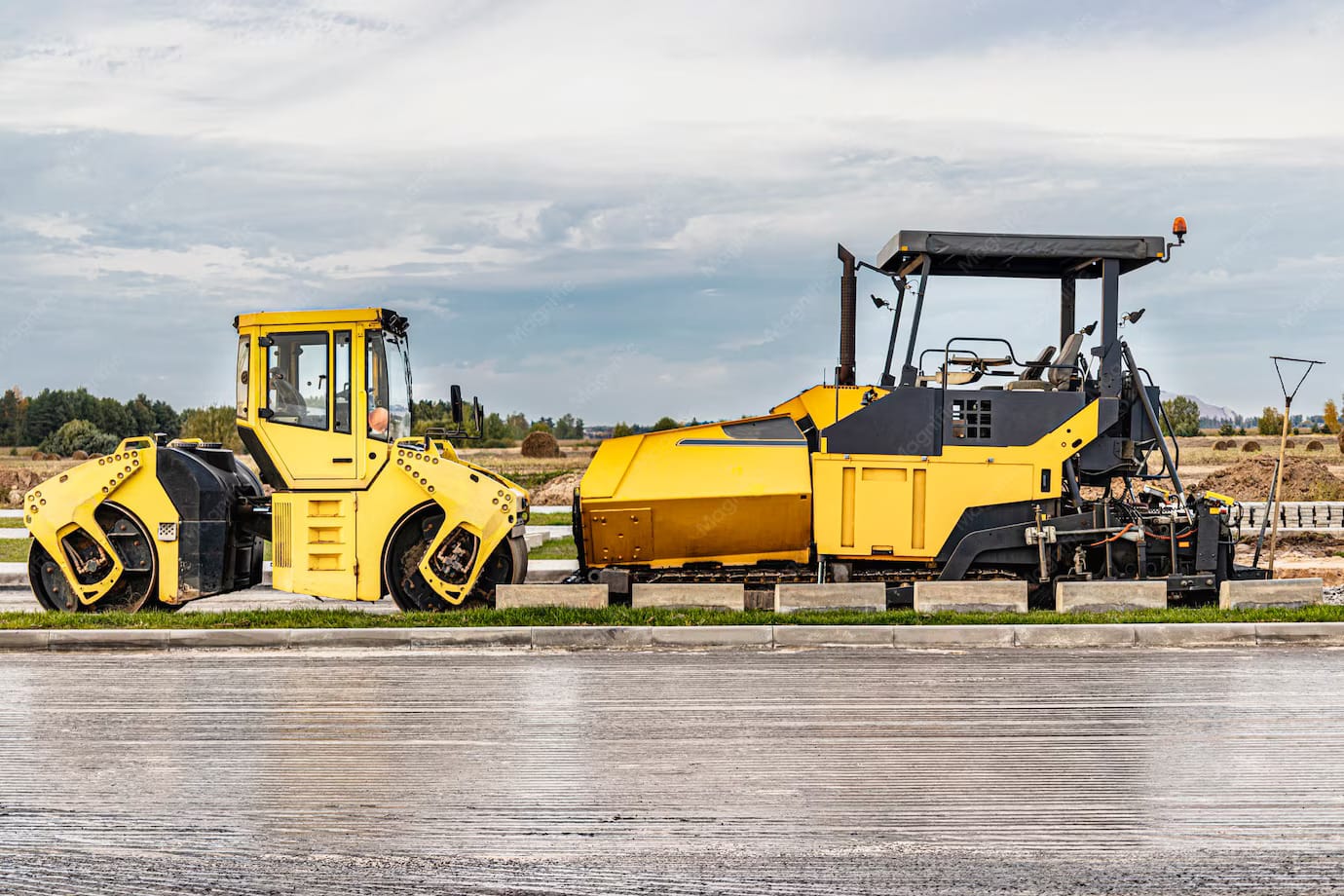
4. Asphalt placement and compaction: For industrial asphalt paving, we typically use a heavier binder course (base asphalt) and a tougher surface course designed for higher traffic loads. We place the mat with a paver, keep joint lines straight, and compact with steel drum and pneumatic rollers while the asphalt is at the proper temperature. Consistent compaction from edge to edge is what gives you the strength you are paying for.
5. Details, striping, and transitions: We tie the new pavement into existing docks, rails, or concrete pads so there are no abrupt bumps. Then we complete striping, truck routes, and any designated pedestrian lanes, using industrial grade traffic paint or thermoplastic where appropriate.
Cost Drivers and Ways to Control Your Industrial Asphalt Budget
Industrial asphalt paving is a larger investment, and it helps to understand what drives the price so you can make solid decisions. At Precision Asphalt Kansas City, we explain the options in plain language so you are not surprised by change orders.
The biggest cost factors are thickness, base work, and access. Heavier sections with 8 inches of asphalt instead of 4 obviously cost more, but some areas of your site may not need maximum thickness. For instance, employee parking can often be built lighter than truck lanes if it is properly separated. By designing different sections for different uses, we can often reduce overall cost without sacrificing performance where it matters.
Existing conditions matter too. If we can reuse a stable existing base after milling off the top asphalt, you avoid the cost of full reconstruction. If the base is bad or drainage is poor, trying to save it usually just means you will pay again in a few years for major repairs. We will core and probe so you see the real situation before you decide.
Access and operations are another cost driver. Working around 24/7 operations or tight docks can slow production. If you can shift truck traffic, open a temporary gate, or allow weekend or night work, we can usually get the job done faster and more efficiently, which helps your pricing. On some Kansas City sites with rail spurs or limited entrances, we plan the work zones and phasing with your team so trucks keep moving while we pave.
Material choices also affect price and service life. A thicker base rock section with a slightly thinner asphalt cap can be cost effective where subgrade is questionable. Heavier surface mixes with more stone and polymer modified binders cost more up front but resist rutting and fuel spills better around fueling areas and loading docks. We will walk you through those tradeoffs with clear numbers instead of vague promises.
Common Industrial Pavement Problems and How We Prevent Them
Industrial pavements fail differently than retail parking lots. At Precision Asphalt Kansas City, we design and build specifically to handle the issues that show up on heavy-use sites.
Rutting under truck paths: Constant wheel loads in the same tracks will push and deform weak asphalt. We address this by specifying stronger mixes, increasing asphalt thickness where wheel paths are predictable, and tightening compaction standards. In some cases, we recommend concrete in the heaviest use lanes and asphalt elsewhere to balance cost and performance.
Alligator cracking and base failure: This usually traces back to poor subgrade, thin base rock, or trapped water. To prevent it, we focus on drainage first. That can include regrading the site, adding underdrains or edge drains, and raising the pavement section where water currently sits. We also pay attention to downspouts and roof drains that dump water onto truck lanes, which is a common problem around Kansas City warehouses.
Potholes and raveling: Industrial sites see more fuel, oil, and hydraulic fluid leaks, which can soften traditional asphalt. In high risk areas, we use fuel resistant mix designs, surface sealers, or hardscape alternatives like concrete pads. Where snow plows are active, we make sure utility covers and joint transitions are smooth so plow blades do not catch and break the surface.
Poor striping and traffic flow: Heavy-duty pavements carry large vehicles and pedestrians at the same time. We plan truck routes, turning radii, and trailer storage in the design so your surface lasts and your people stay safe. That often means larger radii at corners, thicker sections at trailer swing paths, and reinforced zones at dumpster pads where trucks twist and lift.
Why Work With Precision Asphalt Kansas City on Heavy-Duty Projects
Industrial and heavy-duty asphalt paving projects are about more than putting down a black surface. They are about how your site will function for 10 to 20 years under real loads. Precision Asphalt Kansas City focuses on designing to your operations, not to a one-size-fits-all template.
We are a local Kansas City team, so we understand how Missouri weather and soil conditions affect long-term performance. We know which mixes hold up to repeated freeze-thaw, which suppliers consistently deliver quality material, and how scheduling around Royals or Chiefs home games can affect trucking routes to your site. That kind of on-the-ground knowledge helps us keep your project on schedule and built the right way.
From the start, we talk directly with your plant manager, facility manager, or general contractor to understand production windows, safety protocols, and access requirements. We provide phasing plans so you know exactly when each area will be taken out of service and when it will be ready for traffic again. For sensitive operations such as food processing or distribution centers, we set up dust control, clean-up plans, and clear signage to keep your operation running safely.
Our goal is to leave you with an industrial pavement that you do not have to think about, backed by clear documentation of what was installed, where, and to what specification. That way, when maintenance is needed years down the road, you or any engineer you hire know exactly what is under the surface.